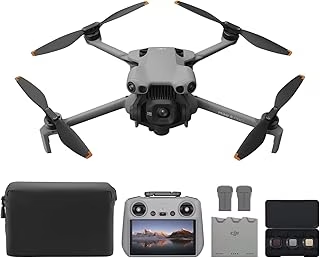
DJI Mini 4 Pro Drone Fly More Combo with DJI RC 2 Review
Discover how the DJI Mini 4 Pro Drone’s omnidirectional sensing and 4K video enhance flying for beginners and creators alike.
Why It Stands Out
The DJI Mini 4 Pro Drone Fly More Combo with DJI RC 2 is perfect for beginners and social media creators who need reliable performance and versatility. With omnidirectional obstacle sensing and a stable O4 transmission, it offers confidence during flights and creative possibilities with its 4K HDR video capabilities. However, those needing superior low-light performance or flying in high winds might want to consider alternatives.
The Moment It Clicked
As I watched my first drone crash into a tree, I realized my fear of flying was justified. The lack of confidence in navigating obstacles was overwhelming until I discovered the DJI Mini 4 Pro. Its ability to sense and avoid obstacles transformed my flying experience, giving me the assurance I needed to enjoy the skies.
Navigating a Tricky World
Many drone enthusiasts struggle with the fear of crashing into obstacles, especially when starting out. This fear can hinder the enjoyment and creative expression that drone flying offers. The DJI Mini 4 Pro Drone, with its omnidirectional obstacle sensing and smooth live feed, alleviates this worry by making navigation safer and more intuitive, allowing pilots to focus on capturing stunning footage.
Trusted by Enthusiasts and Experts
The DJI Mini 4 Pro consistently ranks high in 2025-2026 best drone lists from TechRadar and PCMag, earning a solid reputation among both experts and users. With a vibrant presence in communities like r/drones, its reliability and innovative features have been validated by thousands of pilots, from beginners to seasoned pros.
Living with the DJI Mini 4 Pro
The DJI Mini 4 Pro’s omnidirectional sensors make flying near obstacles stress-free, while its smooth 20km transmission range provides confidence for distant explorations. Its 4K/60fps HDR video ensures vibrant footage, though the 25-30 minute real flight time and wind resistance limitations require planning. These features make it an ideal companion for creators seeking ease and quality, though low-light enthusiasts might notice some limitations.
Everyday Use with Autel Evo Nano+

Autel Evo Nano+ Drone Fly More Kit Plus
The Autel Evo Nano+ excels in providing high-quality images in low-light conditions and maintaining stability in winds up to 38 mph, making it a reliable choice for challenging environments. Its compact design is convenient for travel, although the limited side obstacle sensing and transmission range can be drawbacks for some pilots. For those who need robust performance in adverse conditions, these features are compelling.
When to Consider Alternatives
For those prioritizing low-light photography or flying in windy conditions, the Autel Evo Nano+ Drone offers better image quality and wind resistance. However, if you value portability, obstacle avoidance, and a seamless editing workflow, the DJI Mini 4 Pro remains the superior choice.
Ideal for New Pilots and Creators
The DJI Mini 4 Pro is highly recommended for beginners and social media creators who need a reliable, versatile drone. Its omnidirectional sensing and vertical shooting capabilities make it perfect for capturing dynamic, ready-to-share content. The decision to invest in this drone becomes clear when prioritizing ease of use and creative flexibility.
FAQ
What is the real flight time of the DJI Mini 4 Pro?
The real flight time ranges from 25 to 30 minutes, slightly less than the claimed 34 minutes.
How does the DJI Mini 4 Pro perform in low light?
Its low-light performance is weaker compared to the Autel Nano+, with higher noise in dark conditions.
What is the wind resistance of the DJI Mini 4 Pro?
The wind resistance is around 10.7 m/s or 24 mph, which may limit use in stronger gusts.