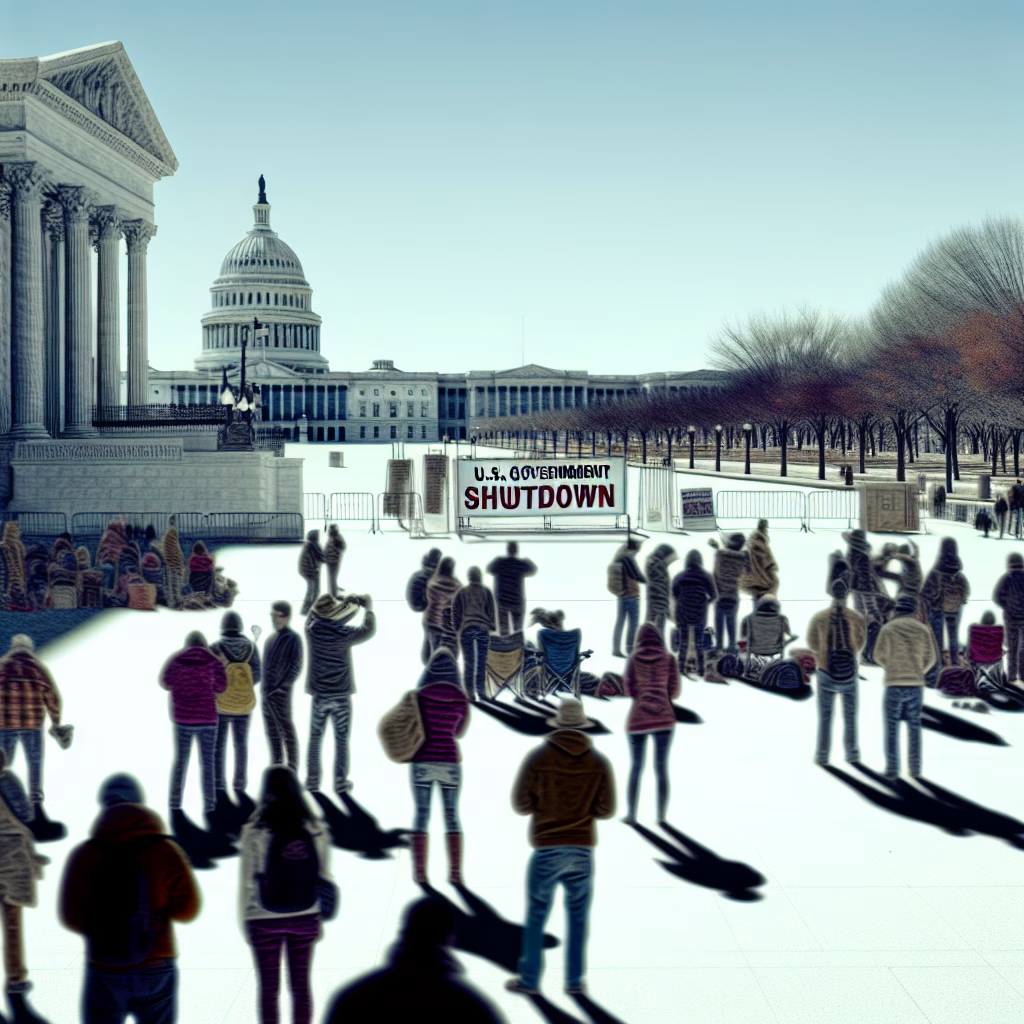
US Government Shutdown: A Historic Crisis Unfolds
US government shutdown poised to be longest in history, halting SNAP benefits for 42 million. Partisan blame deepens crisis.
Today, the US government shutdown teeters on the edge of becoming the longest in history, leaving 42 million Americans without crucial SNAP benefits. This week, the political deadlock has intensified, casting a shadow of uncertainty and hardship over countless families.
By WAWSF Editorial Team / 2025-11-02
🗣️ Related Discussion Points
- What happened with the government shutdown?
- Why is the government shutdown important?
- What happens next with the government shutdown?
According to a report by Related: Political Impacts on Society,
the issue has gained global attention across Society & People.”>
The Historic Shutdown: What Happened?
The United States is currently experiencing a government shutdown that is on the brink of becoming the longest in its history. This unprecedented situation has resulted in the suspension of federal food assistance benefits, known as SNAP, affecting 42 million Americans. The shutdown stems from a political stalemate between Republicans and Democrats over budget allocations and policy priorities. According to a recent ABC News/Washington Post/Ipsos poll, 45% of Americans hold President Donald Trump and the Republican party responsible, while 33% blame the Democrats. This deadlock has not only halted essential services but also exacerbated the economic and social challenges faced by millions, including individuals like Simone Wilkes, a single mother from Detroit, who is struggling to provide for her children without SNAP benefits.

Why This Shutdown Matters
The implications of this government shutdown are profound and far-reaching. As the shutdown continues, the economic impact grows, with essential services suspended and millions of Americans left in a state of uncertainty. The halt in SNAP benefits is particularly devastating for vulnerable families who rely on this assistance to meet their basic nutritional needs. The political deadlock highlights deep partisan divisions, with a significant portion of the population attributing blame to different political factions. This situation underscores the urgent need for bipartisan cooperation to resolve the budgetary and policy disputes that have led to this crisis. The human cost is evident, as individuals like Simone Wilkes express their struggles, reflecting the broader societal impact of the shutdown.

What Comes Next: Future Outlook
As the shutdown persists, the question on everyone’s mind is: what happens next? The ongoing political impasse suggests that a resolution may not be imminent, prolonging the hardship for millions of Americans. Experts warn that the longer the shutdown continues, the more severe the economic and social consequences will become. The situation calls for urgent action from political leaders to bridge the divide and prioritize the needs of the American people. The story of Simone Wilkes and others like her serves as a poignant reminder of the human impact of political decisions. Moving forward, it is crucial for both parties to engage in constructive dialogue to prevent further escalation and to restore essential services to those in need.
Editorial Reflection
The US government shutdown is a stark reminder of the consequences of political gridlock. As the nation grapples with this crisis, it is imperative for leaders to find common ground and address the pressing needs of millions of Americans. Stay informed and engaged as this situation unfolds.
This story sheds light on broader implications in Society & People, encouraging readers to reflect on its impact.
✅ FACT-CHECKED & VERIFIED:
This article was prepared based on verified information from
ABC News.
Our editorial team ensures accuracy through cross-referencing reliable and well-established international news organizations.
Data Quality Score: 9/10
Subscribe for updates on the government shutdown.