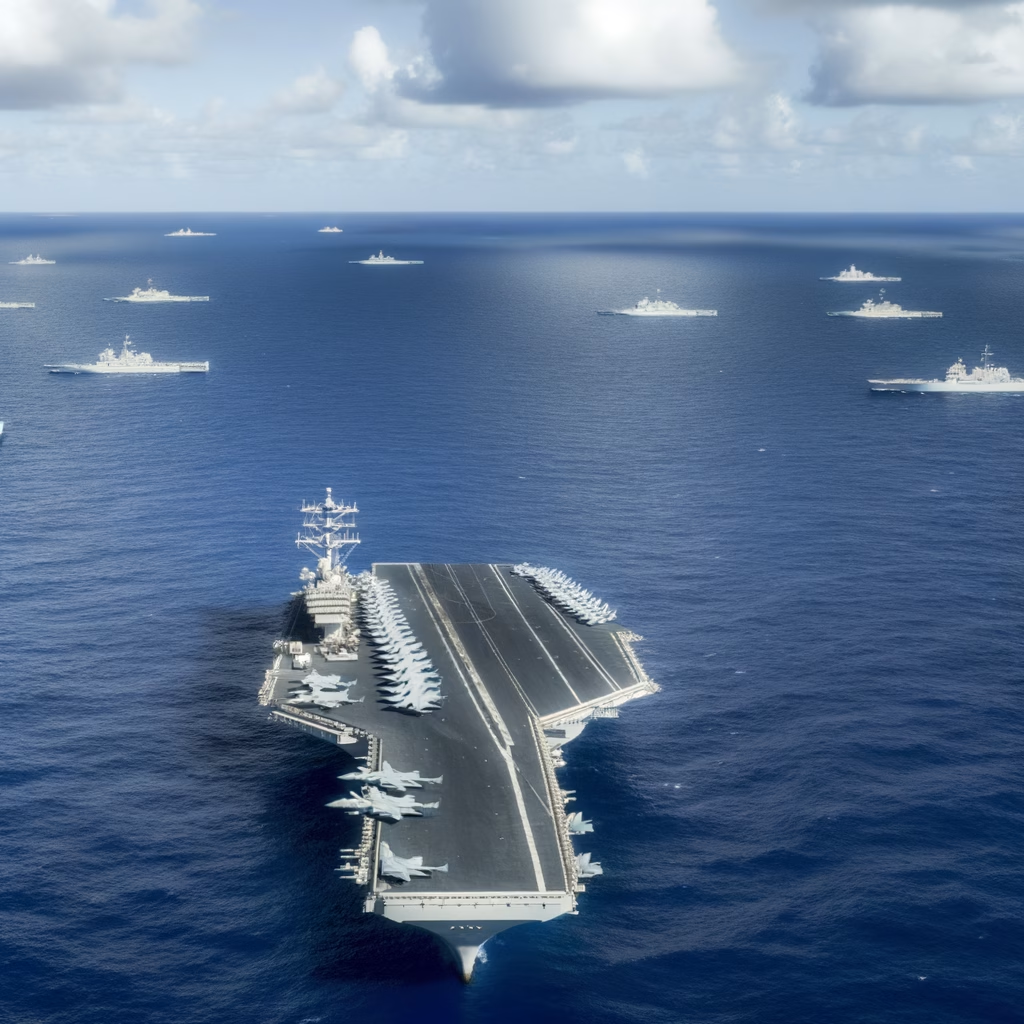
US escalates drug war by deploying aircraft carrier to Caribbean, signaling major military action.
In a bold move, the US has deployed the USS Gerald Ford aircraft carrier to the Caribbean, intensifying its fight against drug cartels. This unprecedented military escalation raises global concerns about regional stability.
US Military Escalation in the Caribbean
The United States has taken a significant step in its anti-drug campaign by deploying the USS Gerald Ford aircraft carrier strike group to the Caribbean. This move, involving 5,000 additional troops and advanced military assets, follows a series of targeted strikes against suspected drug operations, including a deadly attack near Venezuela.

The Implications of a Military Show of Force
The deployment signals a major escalation in the US’s approach to combating drug cartels, particularly the Tren de Aragua. President Trump’s rhetoric and the Pentagon’s actions suggest a readiness for further military engagement, potentially destabilizing the region. The operation has drawn international scrutiny, with global observers closely monitoring the situation.

What This Means for Regional Stability
The presence of a US aircraft carrier in the Caribbean raises questions about the future of US-Latin American relations. Regional governments are on high alert, and the potential for further military action looms large. As the carrier group approaches, the world watches for the next move in this high-stakes geopolitical chess game.
AI_analysis
The deployment of the USS Gerald Ford marks a pivotal moment in the US’s drug war strategy. As tensions rise, the international community remains vigilant, anticipating the next developments in this unfolding narrative.
Stay informed on global military actions by subscribing to our updates.
Explore more about US military strategies and their global impact.